- PUBLISHED
- FEB 12, 2026
- READ TIME
- 5 MIN
- AUTHOR
- PATRICK SMITH
- FILED UNDER
- FIELD NOTES
Why Agriculture’s Feedback Loop Is Broken—And How to Fix It
I’m a fourth-generation farmer, and I’ve spent my entire career waiting for answers.
We wait until harvest to know if our inputs paid off. We wait until the P&L closes to see if we made money. We wait until next season to try something different—because by the time we understood what went wrong, it was too late to fix it.
For years, I thought this was just part of farming. Biology is unpredictable. Markets are volatile. You make your best guess and hope it works out.
But here’s what I’ve learned: The problem isn’t (only) the biology. It’s also the feedback loop.
The Real Problem Isn’t What You Think
Most growers will tell you agriculture is slow to change because:
- “You only get one shot per year”
- “Every season is different”
- “We need to see results before we change anything”
All true. But here’s what we don’t talk about enough:
How long does it take you to actually understand what happened last season?
For most operations, the honest answer is: three, six, even twelve or more months after harvest.
Your ERP spits out reports in February. Your accountant closes the books in March. By April, you’re finally starting to understand what drove last year’s performance—just in time to make this year’s decisions based on outdated information.
You’re not slow to change. You’re slow to learn. And that’s not because you’re a bad farmer—it’s because your data is fragmented and your insights are delayed.
The “After ___” Problem
We have a phrase for this in agriculture: “We’ll figure that out after ___________.”
- “We’ll analyze crew productivity after harvest”
- “We’ll look at pack-outs and returns after the pool closes”
- “We’ll compare blocks after we get the financials back”
- “We’ll talk to the team about labor overruns after we understand what happened”
The problem? By the time “after” arrives, the decisions that mattered are long gone.
You can’t fix a crew that was inefficient in July when you’re looking at the data in February. You can’t adjust your pack line specs when the fruit is already sold. You can’t re-train a foreman on a practice that’s been happening for six months.
Every time you say “after,” you’re giving up a learning cycle.
Why This Is a Data Problem, Not a Biology Problem
Here’s what I’ve learned over the last decade as a customer of numerous agtech solutions:
Capturing data is easy. Turning it into timely, decision-ready feedback is hard.
Your operation already generates incredible amounts of data:
- Labor systems track every hour worked
- Harvest systems capture yield by block
- Farm management systems chronicle every fertility and spray application
- ERP systems record every expense
- Pack lines log every box, bag, and bin
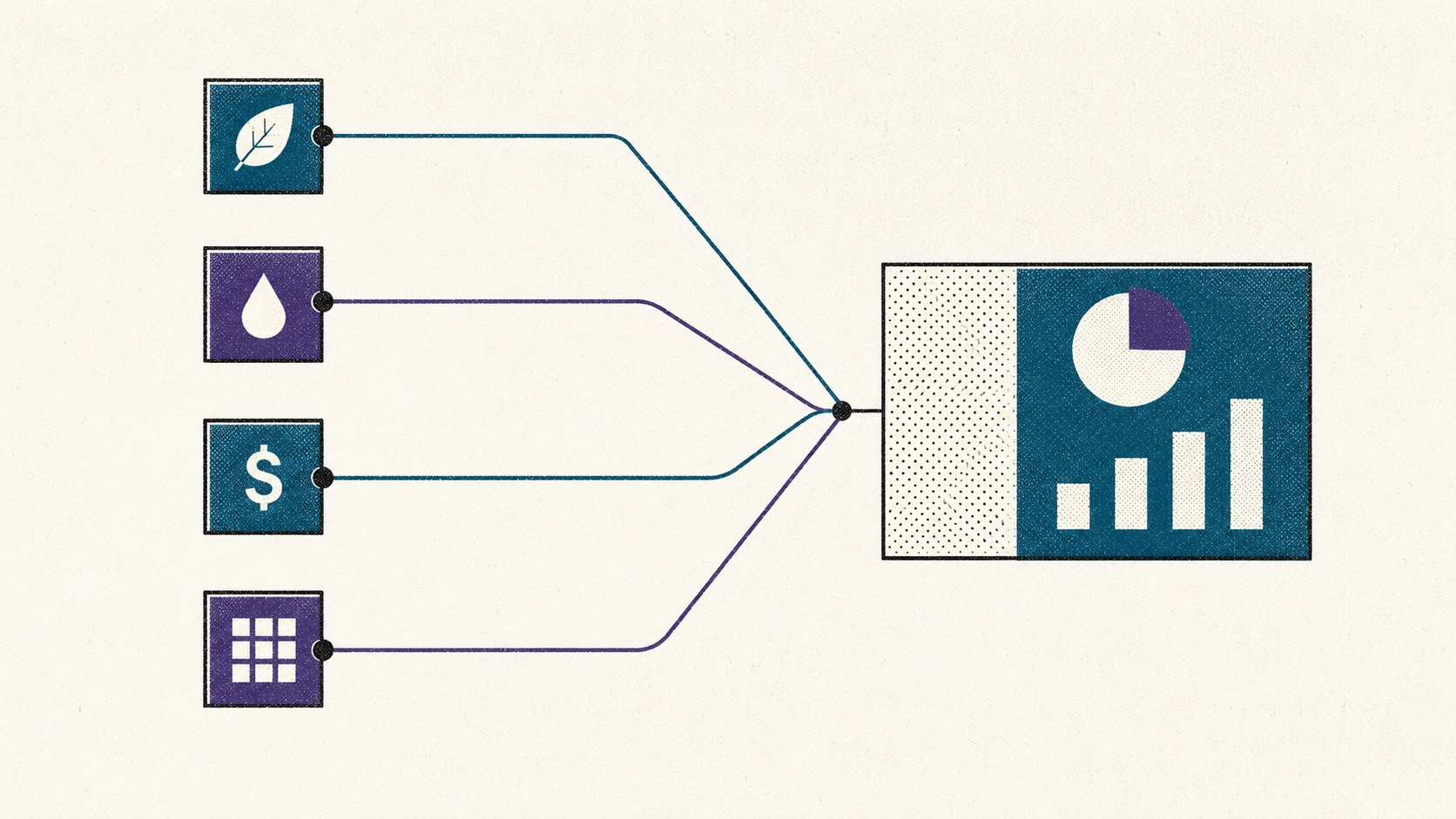
The problem isn’t missing data. The problem is that data lives in silos:
- Labor data doesn’t talk to financial data
- Agronomic data doesn’t connect to pack-out results
- Real-time operational data never makes it into your decision-making process
So you wait. You wait for someone to manually pull reports, reconcile spreadsheets, and compile everything into something useful. Often, the C-suite and senior management teams are the people spending countless hours running those reports instead of taking decisive action that moves the needle.
By the time you have insight, the season is over.
What If You Could Learn While the Crop Is Still in the Field?
I’ll give you a real example from our operation:
A few years ago, we were faced with a significant cost challenge on our hop farm. The State of Washington instituted overtime pay for agriculture which threatened to drive our labor costs higher to an unprecedented degree. Every year, we’d close out the season, run the numbers, and realize we’d overspent on labor in certain blocks. But we never knew which blocks, which crews, or which tasks until months later.
We built Oxrow to solve this exact problem and others like it.
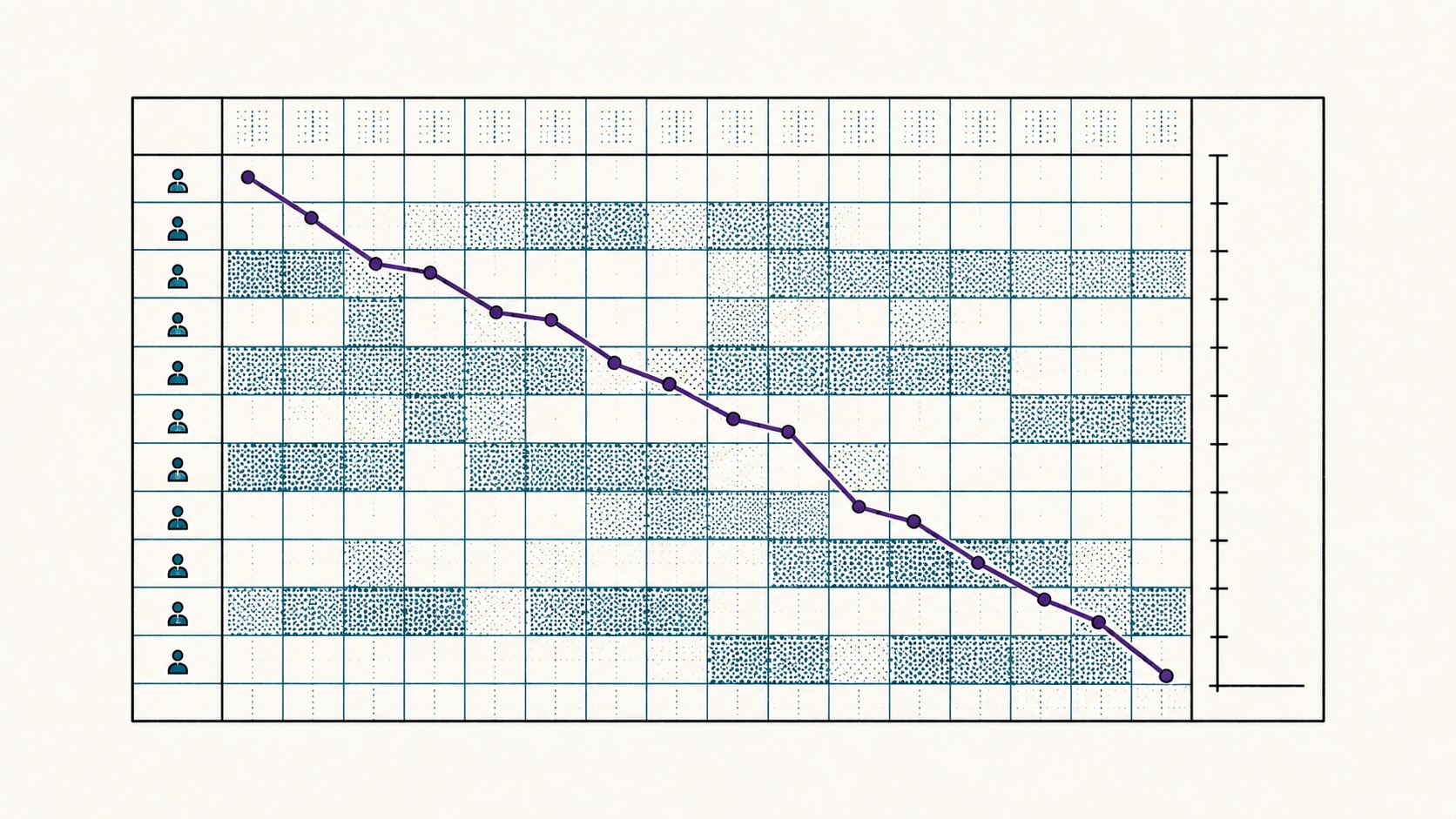
Now, instead of waiting until the end of the year to understand labor efficiency, we can see it by crew, by block, by day—while the season is still happening.
When we spot a crew running 20% over budget in week 3, we don’t wait until “after harvest” to address it. We have the conversation that day. We adjust the plan. We course-correct before it becomes a $50K mistake.
That’s the difference between learning in hindsight and learning in real-time.
In our first full crop year using this approach, we identified and eliminated $1.3 million in operational waste—not by working harder, but by learning faster.
The Shift from Annual Reviews to Daily Learning
The real competitive advantage in agriculture isn’t having better data—it’s having faster feedback.
Before Oxrow:
- One learning cycle per year
- Decisions made on outdated assumptions
- Problems discovered too late to fix
After Oxrow:
- Daily and weekly micro-reviews during the season
- Decisions made with current data
- Problems caught while you can still act
This isn’t about replacing your ERP or your agronomic platform. It’s about connecting the dots between the systems you already use—and turning that into insight you can act on today, not next February.
The Challenge
Count how many times you say “We’ll look at that after _______” this season.
Every time you say it, you’re choosing to learn slower than you have to.
Biology is uncontrollable. Markets are unpredictable. But the speed at which you learn? That’s 100% in your control.
Oxrow exists to shorten the distance between the work you do and the insight you gain—so you can learn in-season, not in hindsight.
Because in agriculture, the growers who learn fastest don’t just survive tight margins—they’re the ones still farming in ten years.